Why the Most Memorable Spaces Begin with Art
How Art Shapes Brand, Experience, and Memory
Walk into a space, and you feel it immediately. Before a word is spoken, before a service is offered or a meeting begins, the walls are already communicating. They’re setting expectations, shaping perception, and telling a story—often without us realizing it. Yet too often, art is treated as a final layer. Something to consider if the budget allows. Something added once the “important” decisions have been made.
The most compelling spaces tell a different story. In those environments, art isn’t an accessory. It’s a point of view. At our firm, we believe original art deserves a seat at the table from the very beginning. Not because it’s indulgent— but because it’s foundational.
What Your Walls Say About You
For businesses, art is one of the most immediate and powerful expressions of identity. It quietly communicates values: creativity, curiosity, confidence, cultural awareness. It signals intention.
A thoughtfully curated collection tells clients, customers, and guests that this company pays attention—not just to function, but to meaning. It helps articulate who you are and who you aspire to be, without saying a word.
For homeowners, the impact is just as profound. Original art grounds a home in story and authenticity. It reflects personal history, taste, and values rather than trends or mass production. It’s the difference between a space that looks finished and one that truly feels lived in.
Art as Experience— for Guests, Clients, and Teams
Original art changes how people experience a space. It invites engagement. It creates a pause. It sparks conversation and connection.
In commercial environments, curated art can elevate the guest experience, soften clinical or corporate settings, and reinforce brand culture. We’ve seen this firsthand across industries.
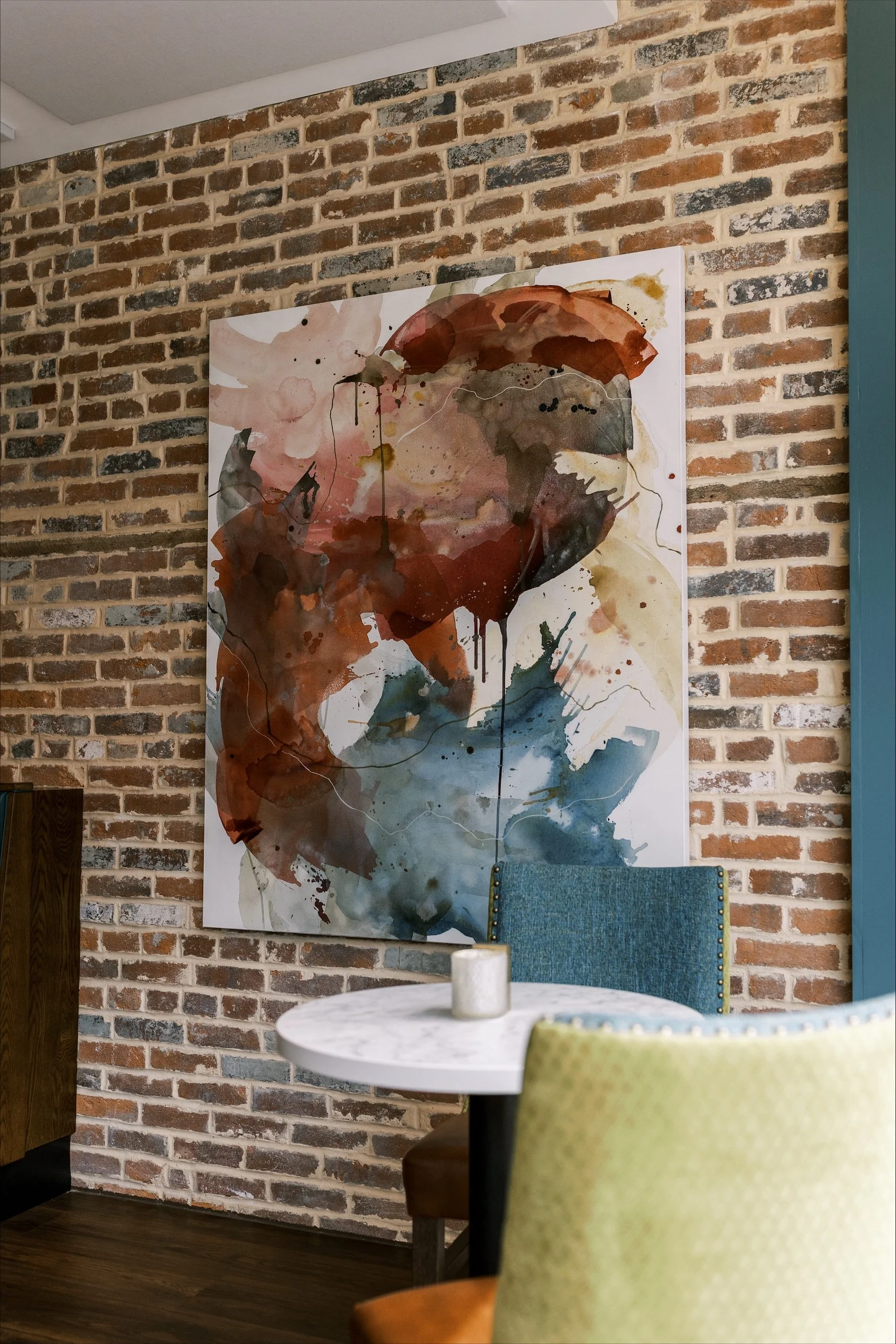
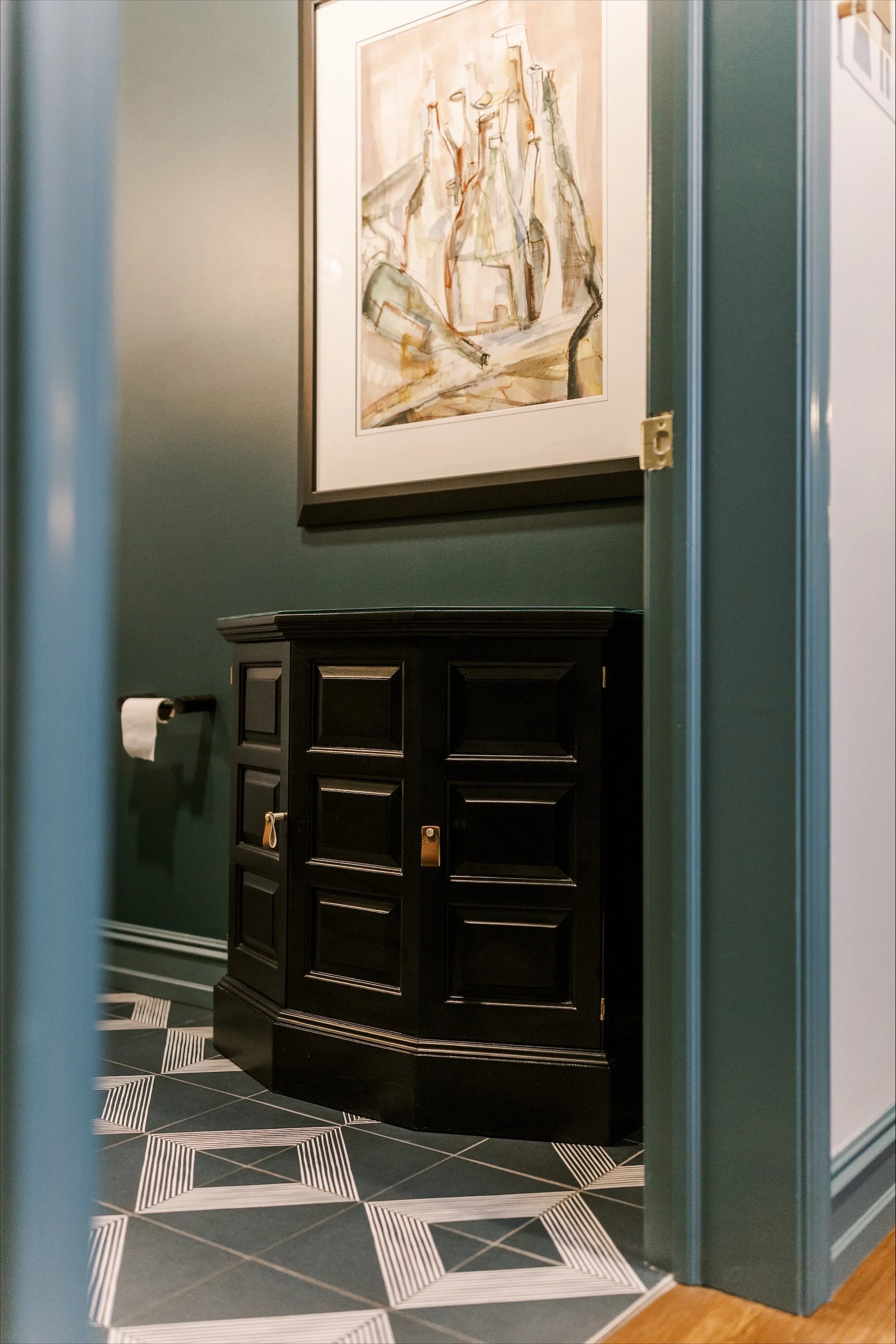
In one restaurant project, art was prioritized early—informing scale, lighting, and placement—resulting in a space that feels layered, personal, and unmistakably its own. In a physician’s office, original artwork brought warmth and humanity into the environment, offering patients moments of calm and curiosity where they’re often least expected.
In both cases, art wasn’t decorative. It was strategic.
Supporting Creatives and Strengthening Community
Collecting original art is also an investment beyond the walls it hangs on. It supports artists— the makers, thinkers, and storytellers who contribute to the cultural fabric of our communities.
When businesses and homeowners choose original work, they choose longevity over disposability and craft over convenience. They participate in a creative ecosystem that values skill, vision, and authenticity.
In a time when design is often driven by speed and sameness, original art represents a conscious shift toward something more enduring.
Being Intentional, Not Trend-Driven
Curating art doesn’t require a museum-level budget, but it does require intention. The most meaningful collections aren’t rushed or trend-chasing; they evolve thoughtfully over time.
This is where guidance matters. Art should be considered alongside architecture, materials, lighting, and circulation— not added once everything else is complete. Scale, placement, narrative, and longevity all shape how a piece is experienced.
When art is integrated early in the design process, it elevates every decision that follows.
Standing Out by Being Genuine
Original art makes spaces distinctive because it can’t be replicated. It resists the uniformity that dominates so many commercial and residential environments today.
For businesses, this differentiation creates memorable experiences and reinforces brand identity in a way that feels authentic rather than performative. For homeowners, it results in spaces that feel personal and collected— homes that tell a story instead of following a formula.
Our Approach to Art Consultation and Curation
For us, art consultation isn’t about filling walls. It’s about alignment— between space, story, and purpose.
We work with businesses and homeowners to:
Clarify what the art should express and support
Source original work from artists whose voices align with the project
Consider scale, placement, lighting, and context
Build collections intentionally, whether all at once or over time
From restaurants and workplaces to medical offices and private homes, we believe art belongs in every serious design conversation and every thoughtful business plan.
Art is not an afterthought. It’s how a space shows who you are— and who you aim to be.