The Art of Intentional Design
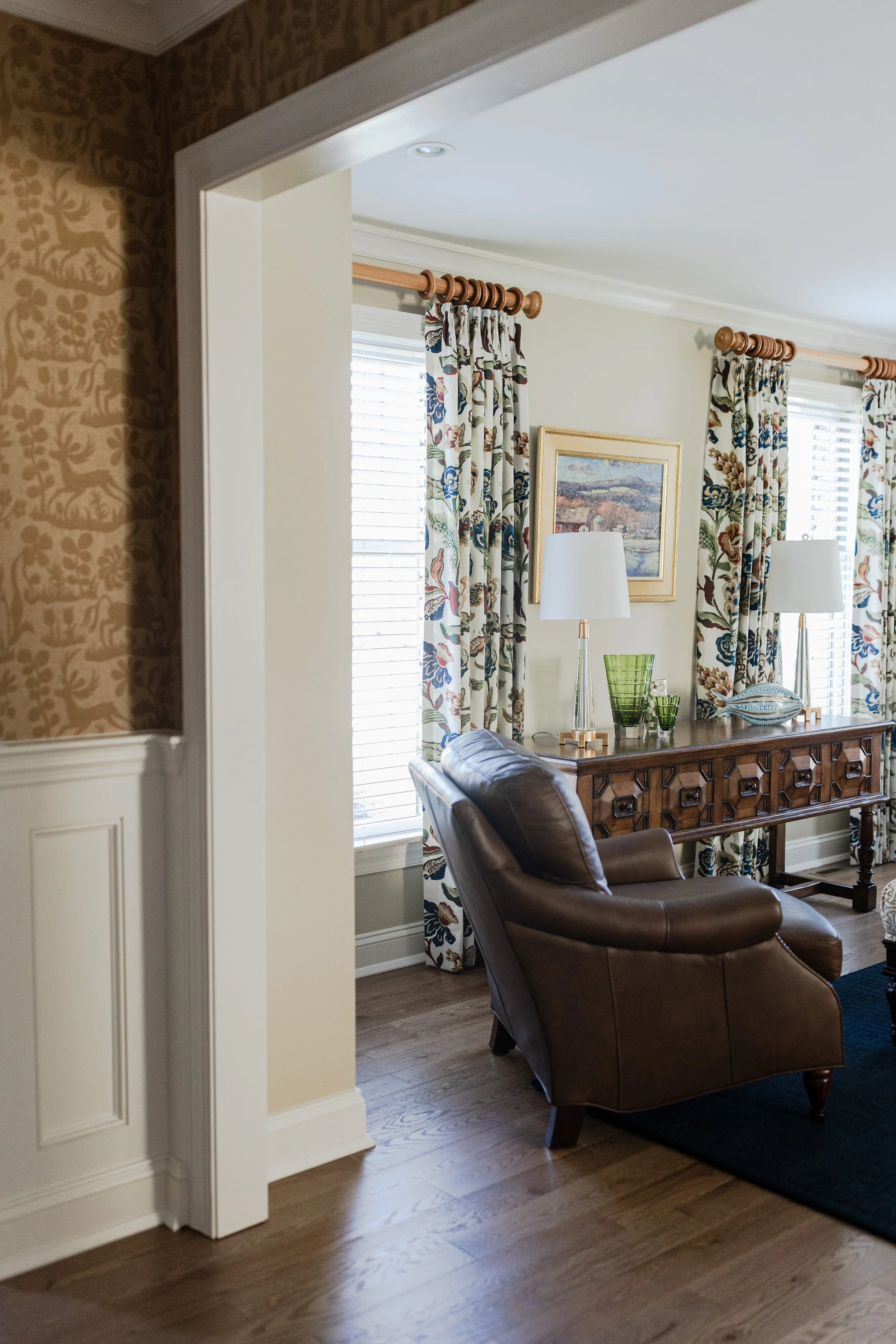
The conversation around design has shifted. We’ve moved away from rooms that feel perfectly coordinated toward spaces that feel layered, collected, and deeply personal. There is a renewed appreciation for antiques, for pieces with history, and for elements that don’t necessarily match, but still feel as though they belong together.
It would be easy to call this a trend, but it is something quieter than that. The art of intentional design is about being true to yourself—not in a way that feels forced or overly curated, but in a way that asks you to pause and reflect. It invites you to consider how you want to feel in your home, to notice what draws you in, and to recognize what doesn’t feel quite right, even if you can’t immediately explain why.
Because filling a space is easy, but designing one with meaning takes time.
There is often a pull to recreate what we’re seeing right now— to bring in antiques because they’re having a moment, or to layer pieces quickly in a way that suggests depth. But intention asks something different. It asks that we begin with understanding— how you live in your space today and how you want to live in it moving forward. It asks where you feel most like yourself, and where something feels slightly unresolved.
This is where our role becomes more nuanced. Over time, we’ve learned that the most meaningful spaces aren’t created by simply selecting beautiful pieces, but by asking the right questions. Not abruptly, but thoughtfully. Not all at once, but in a way that allows clarity to develop over time.
Because often, the first answer isn’t the truest one. When given the space to reflect, your preferences become clearer, your instincts more defined, and the direction of your space begins to take shape in a way that feels natural rather than constructed.
Art finds its place within this process in a way that feels both intuitive and essential. It isn’t something we consider at the end— it often helps guide the beginning. The right piece doesn’t need to coordinate with everything around it; it needs to resonate with you. It might be something you’ve lived with for years or something you discover unexpectedly, but it should hold a feeling you want to return to again and again. When chosen with intention, art becomes more than visual— it becomes emotional, with the ability to anchor a space in a way that feels lasting rather than temporary.
The same can be said for antiques and collected pieces. We’re seeing their return, and it’s something we’ve always valued— not because they create a particular look, but because they bring depth and a sense of continuity. They carry history, and when chosen well, they add a presence that can’t be replicated. Still, they should never be added to achieve that feeling— they should already hold it.
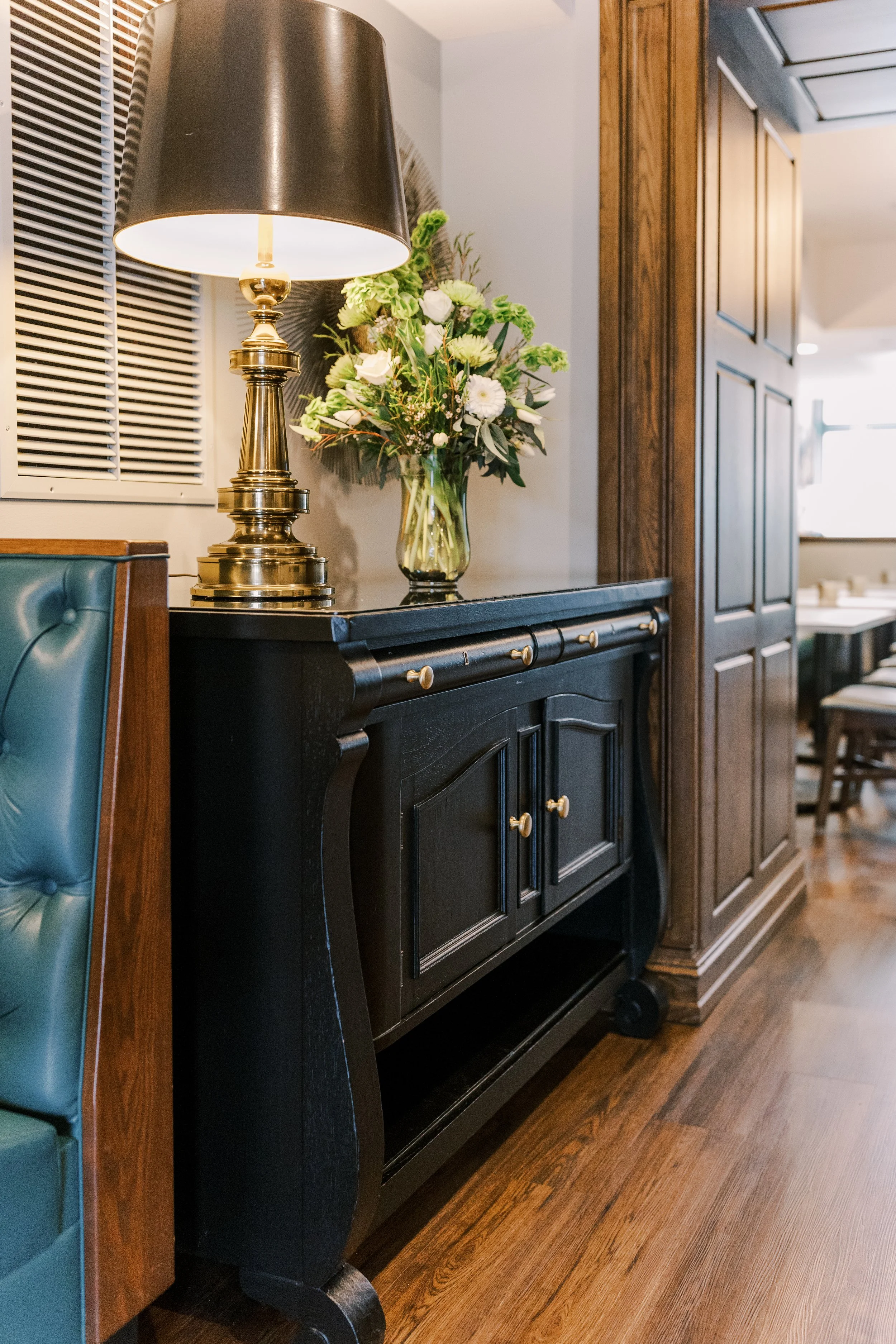
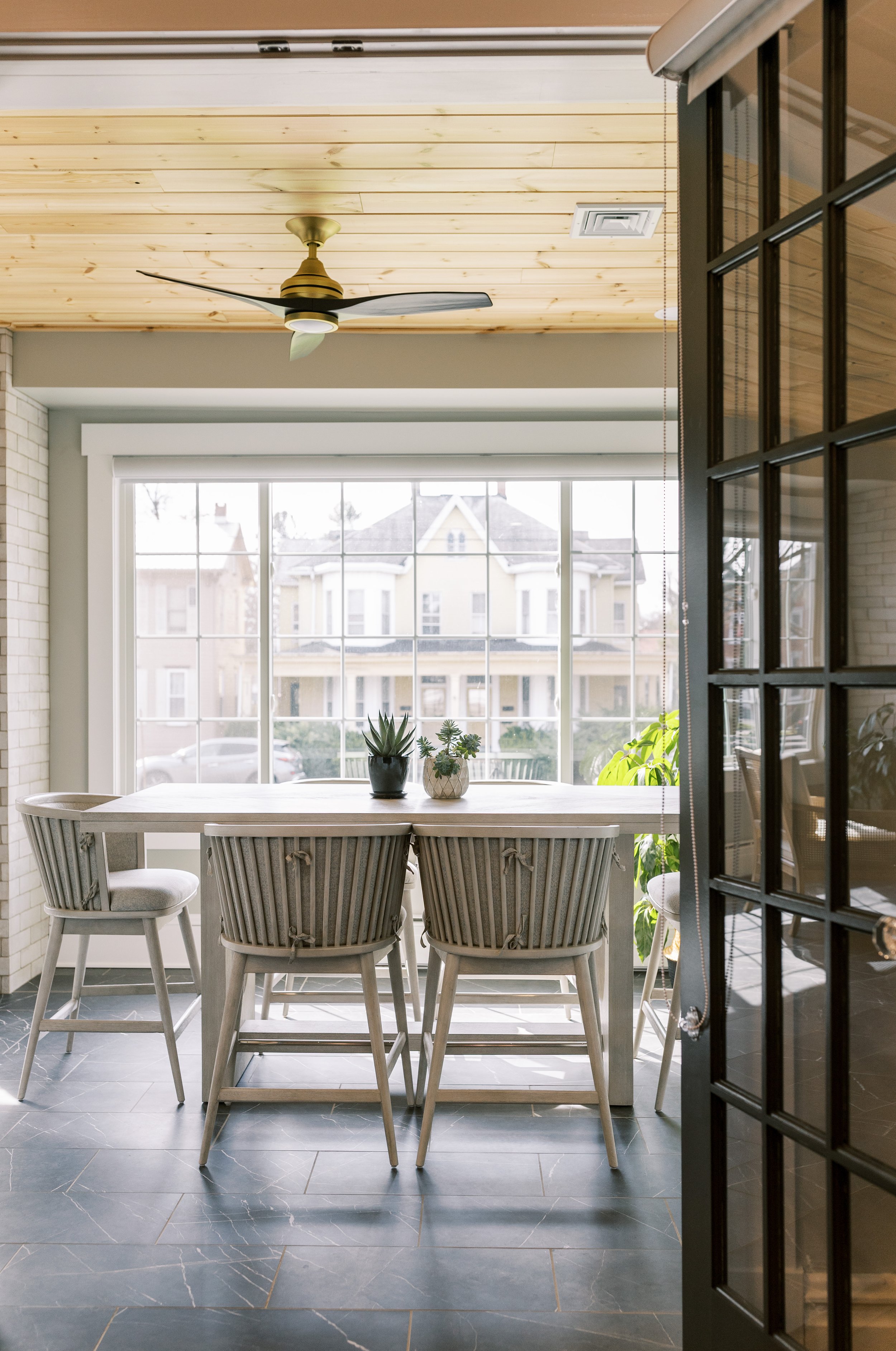
Even within our hospitality designs, we intentionally incorporate a layer of familiarity through a thoughtful blend of old and new, creating spaces that feel both welcoming and enduring. Sometimes the space itself has a story— an age— and we have the opportunity to shape its next chapter by introducing considered new and found pieces. It’s the full narrative: the architecture, the furnishings, and the details working together.
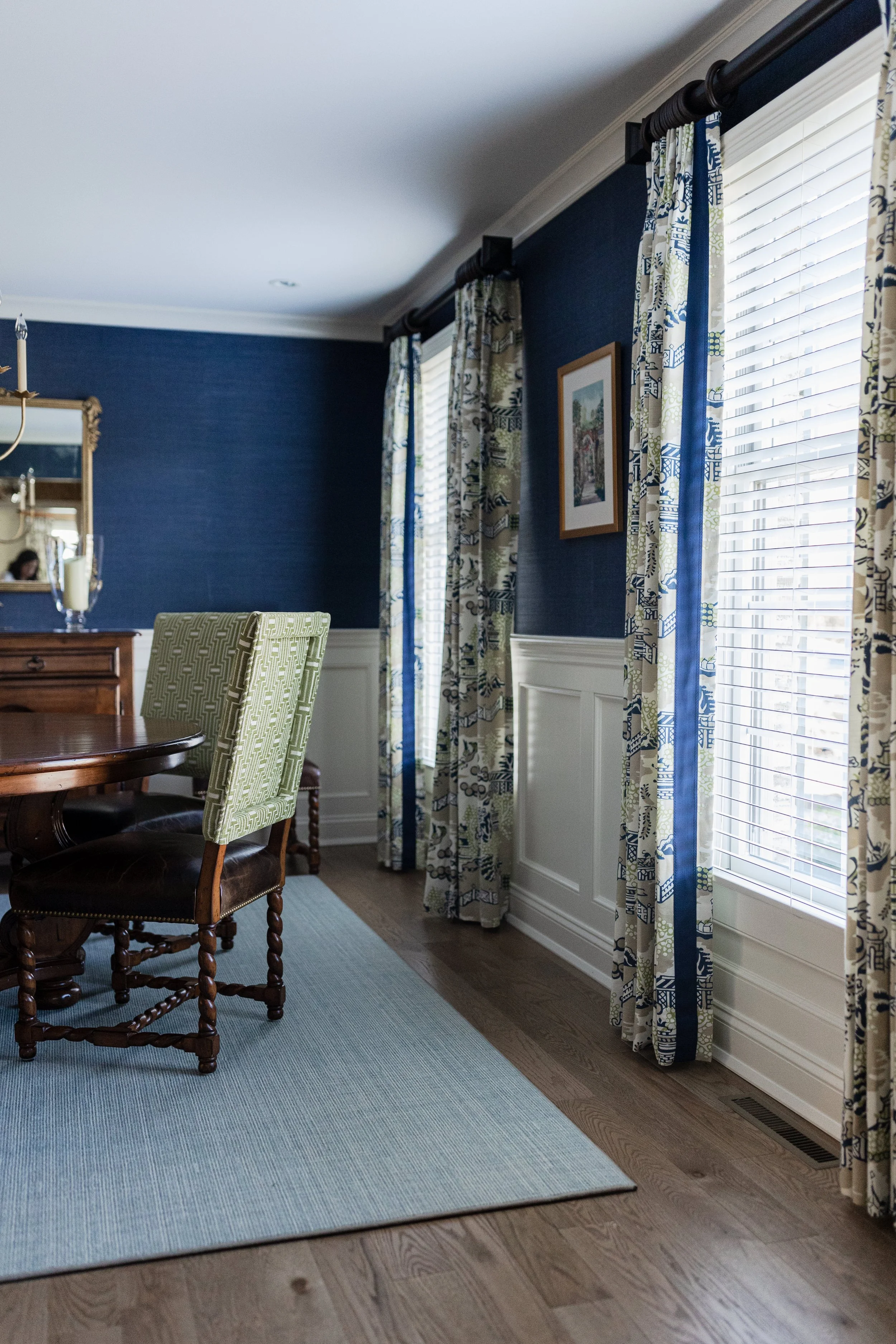
There is a patience to this kind of design. It allows a room to come together over time, creating space for a mix of new and old—for pieces that support your life today and those that connect you to something more personal. And when a space is built this way, it begins to feel different. More grounded. More personal. More reflective of the life within it.
Intentional design isn’t about filling a room with the right things. It’s about choosing pieces, including art, that continue to feel right over time. It’s about creating a space that supports how you want to live, not just how you want it to look. And when that happens, the result doesn’t need to announce itself. It simply feels right.
A home layered with meaning.
A space that reflects you fully.
A design that, in every sense, is intentional.